A camera as an eye
Mia uses a camera as her eye. The image is captured continuously and sent to software that analyzes it in real time. This is the first step: without vision, Mia doesn't know what surrounds her.
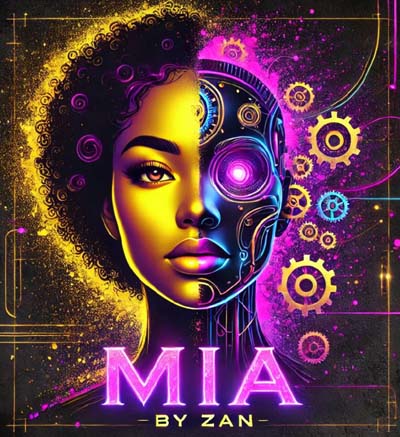
A replicant must see the world. Mia looks through a camera — and understands what she sees.
This cycle repeats continuously, frame by frame
Mia uses a camera as her eye. The image is captured continuously and sent to software that analyzes it in real time. This is the first step: without vision, Mia doesn't know what surrounds her.
The software automatically spots faces in the image. It knows how many people are present, where they are in the field of view, and at what approximate distance they are.
Mia doesn't just see faces — she can recognize them. If she has seen you before, she knows it's you. This recognition influences her behavior: she doesn't react the same way to a stranger versus someone familiar.
By analyzing the size of the face in the image, Mia estimates how far away you are. Close up, she'll be more attentive. Far away, she may simply observe you. This information directly feeds her decisions.
The analysis happens continuously, frame by frame. Mia doesn't take photos — she watches constantly. Each new image updates her understanding of the scene, like our eyes continuously send information to our brain.
What Mia sees directly feeds her brain. A detected face can trigger curiosity, a recognized face can provoke a social reaction, the absence of faces can lead to dream mode. Vision is the starting point of all behavior.